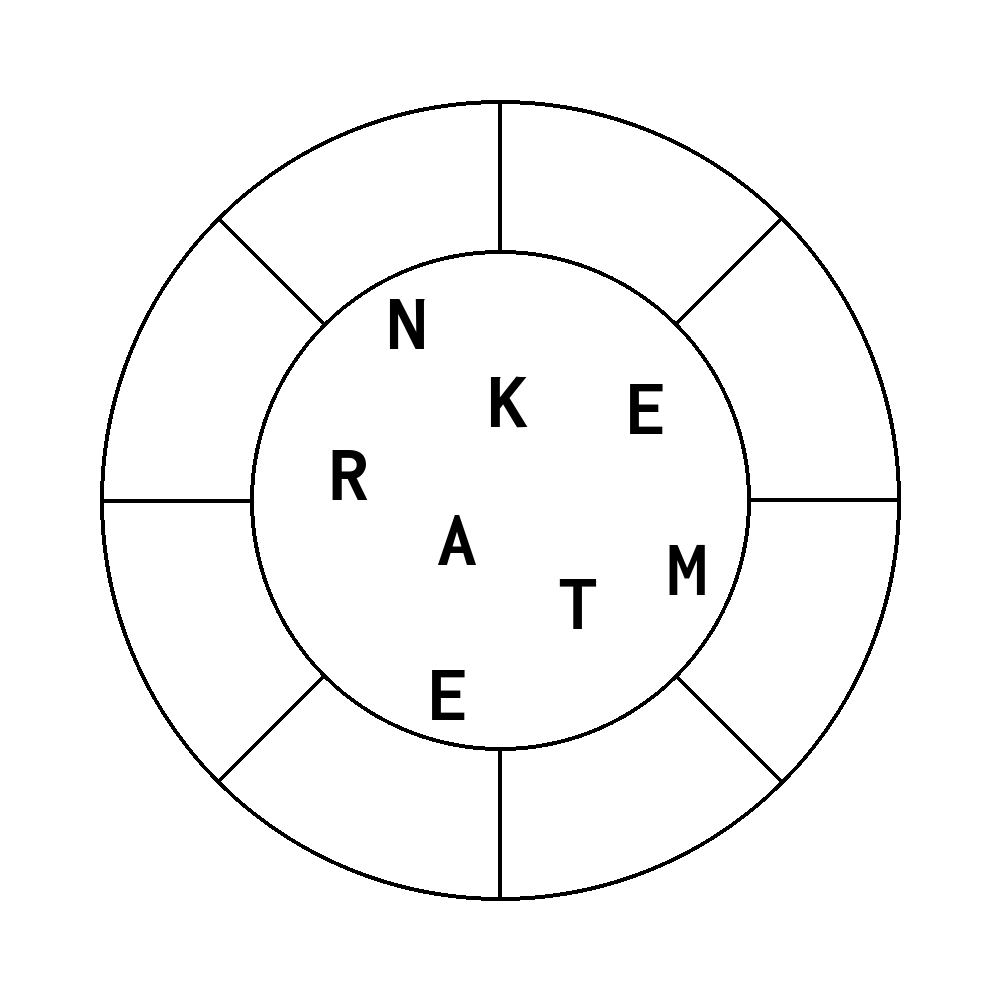
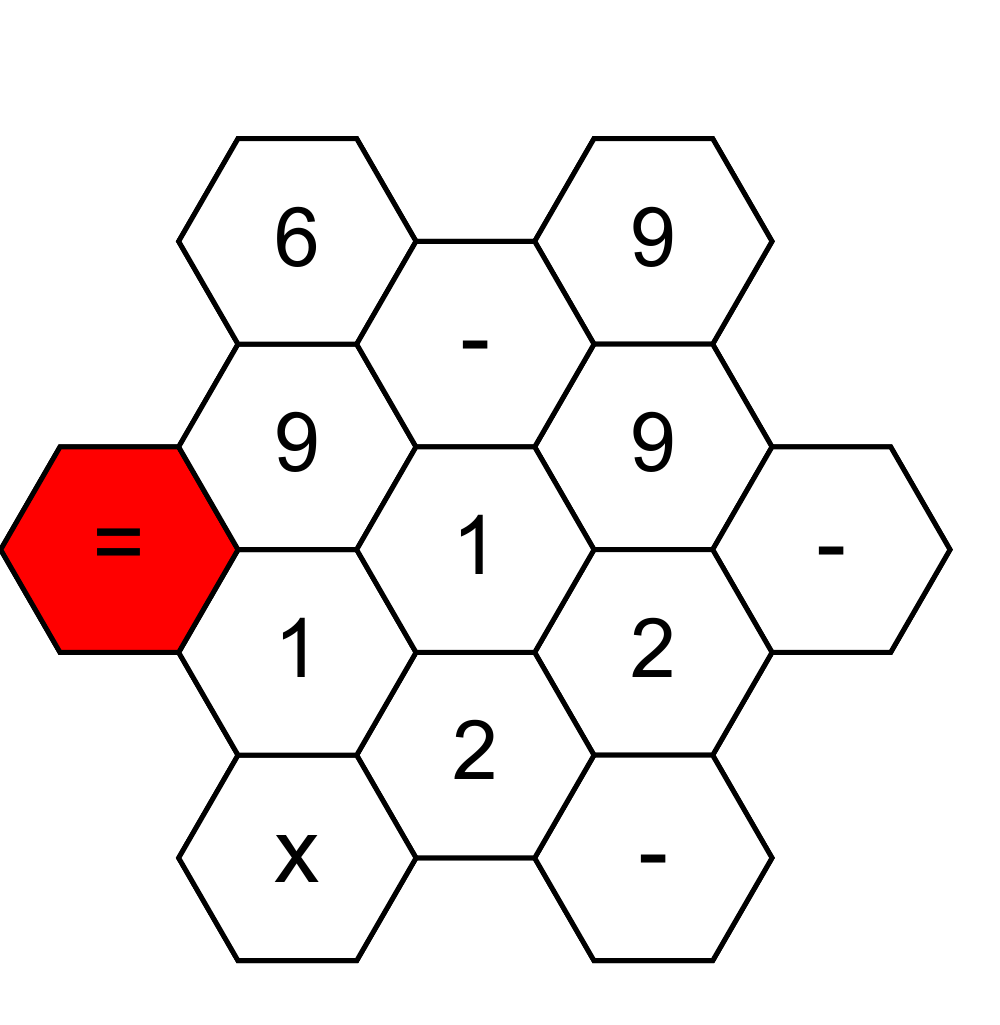
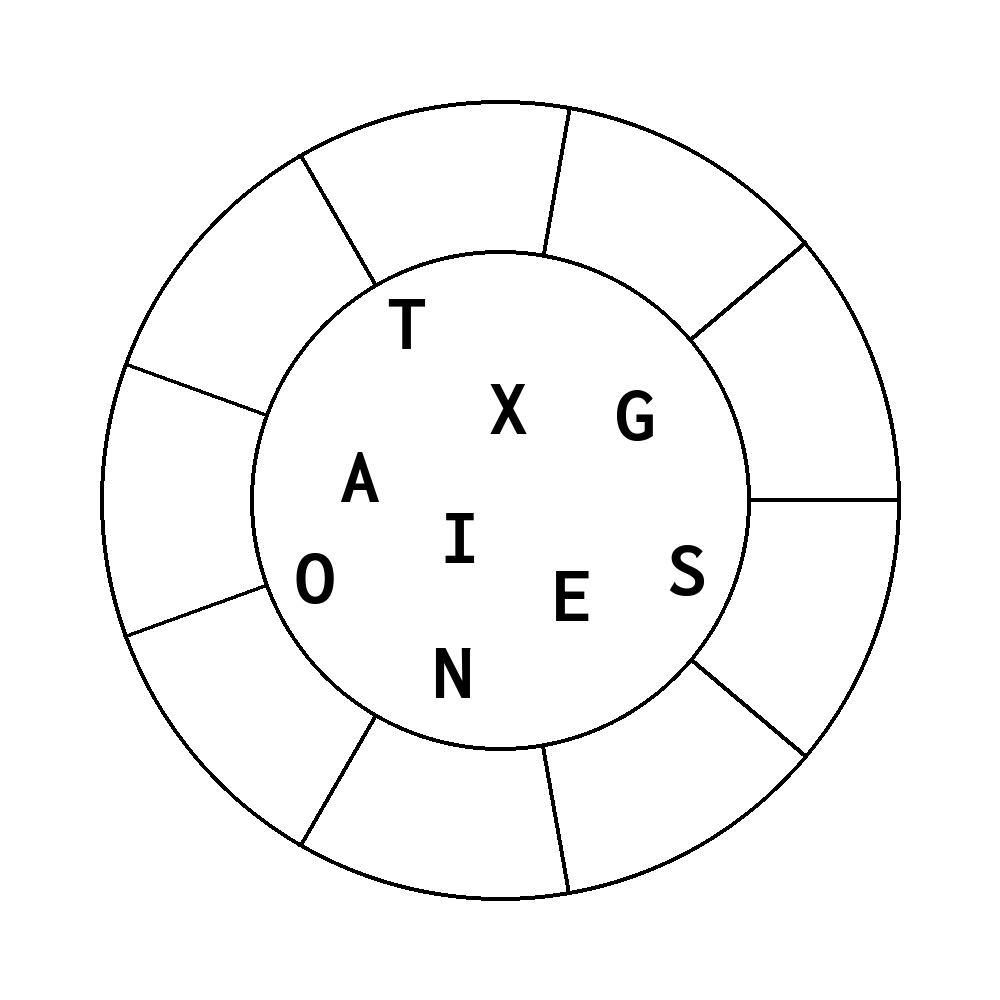
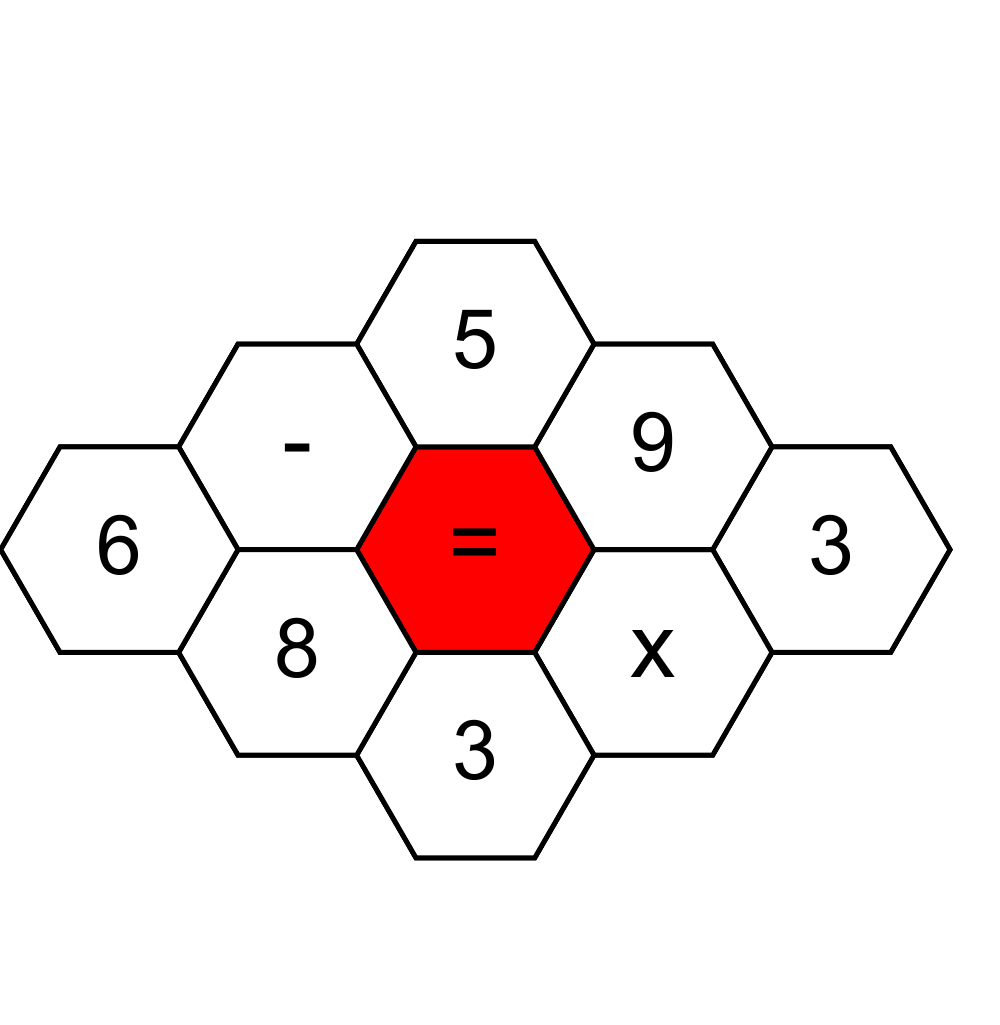
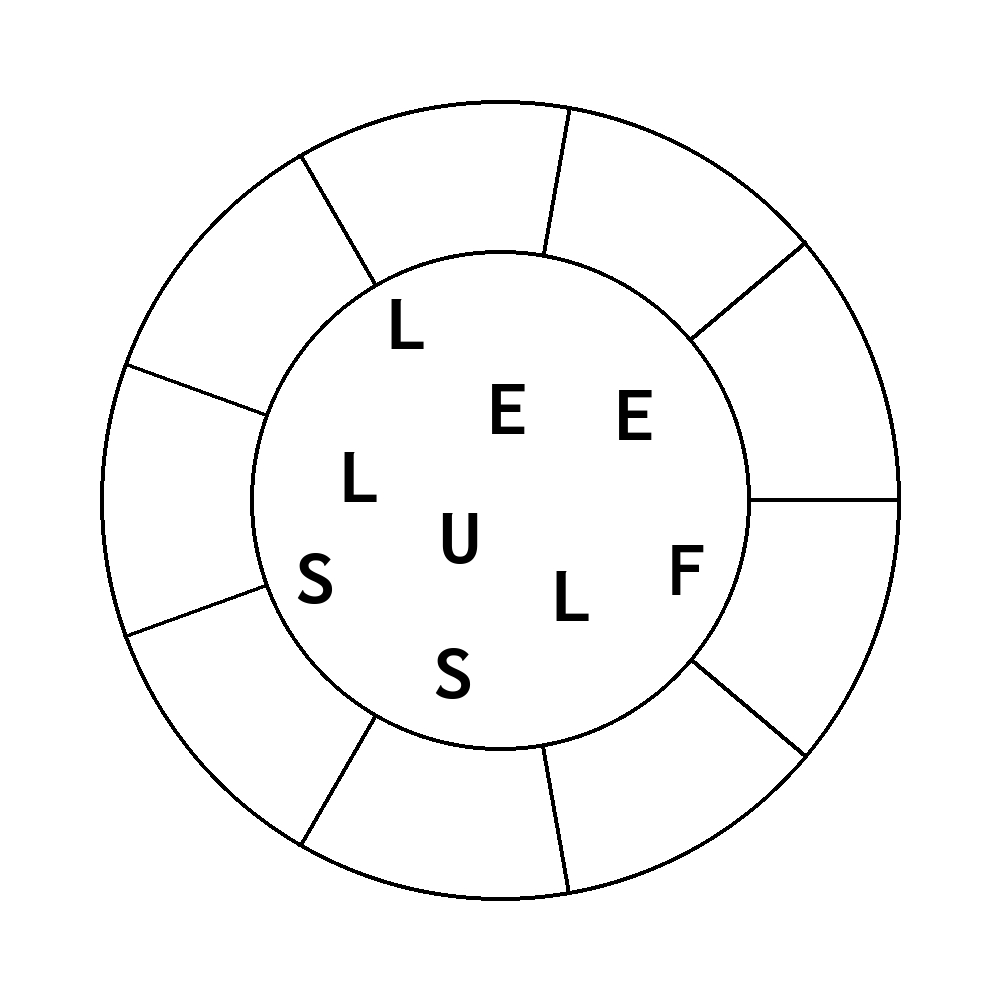
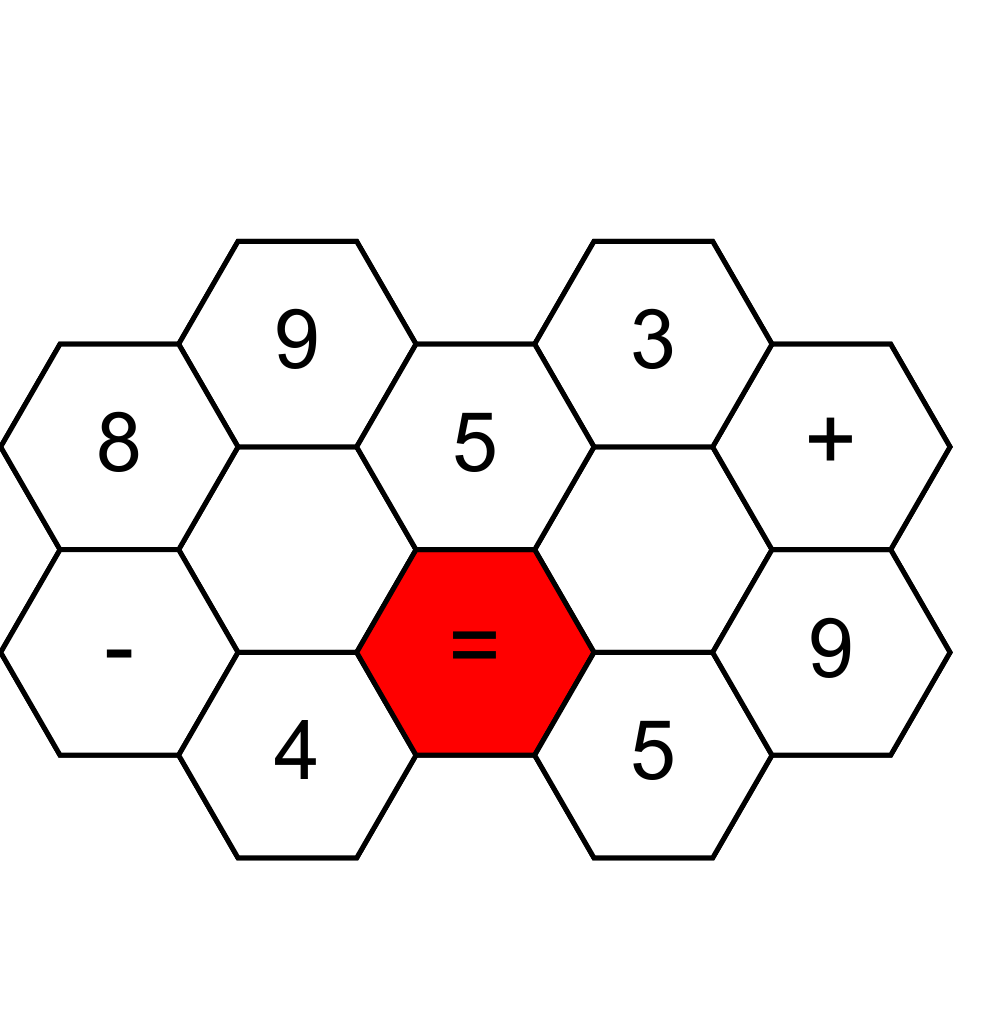
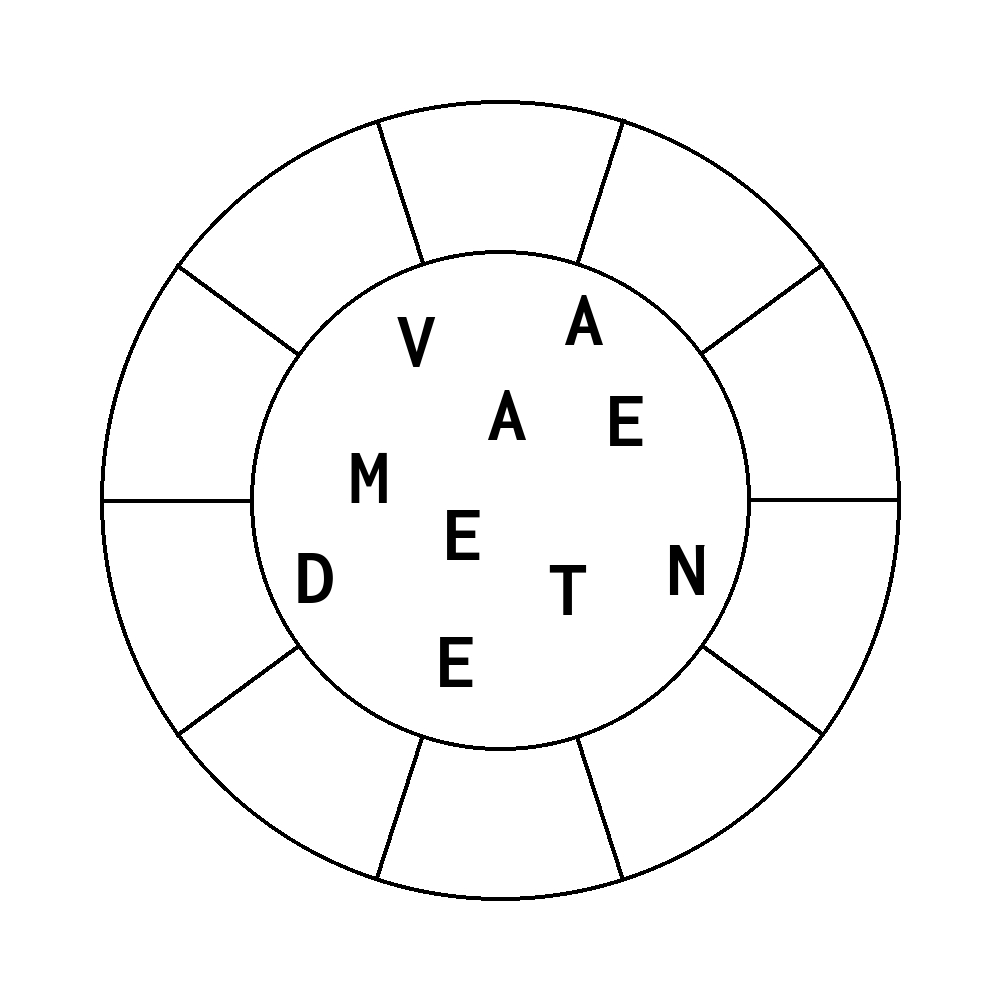
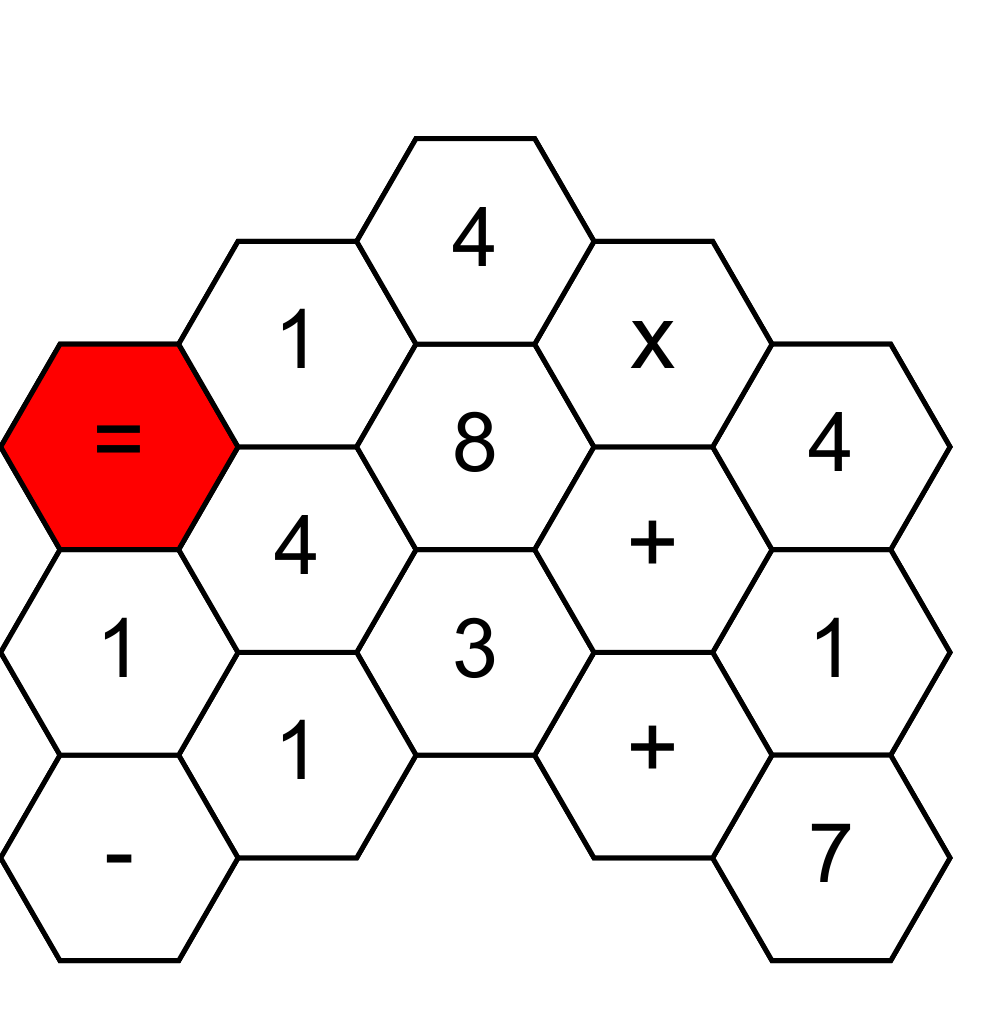
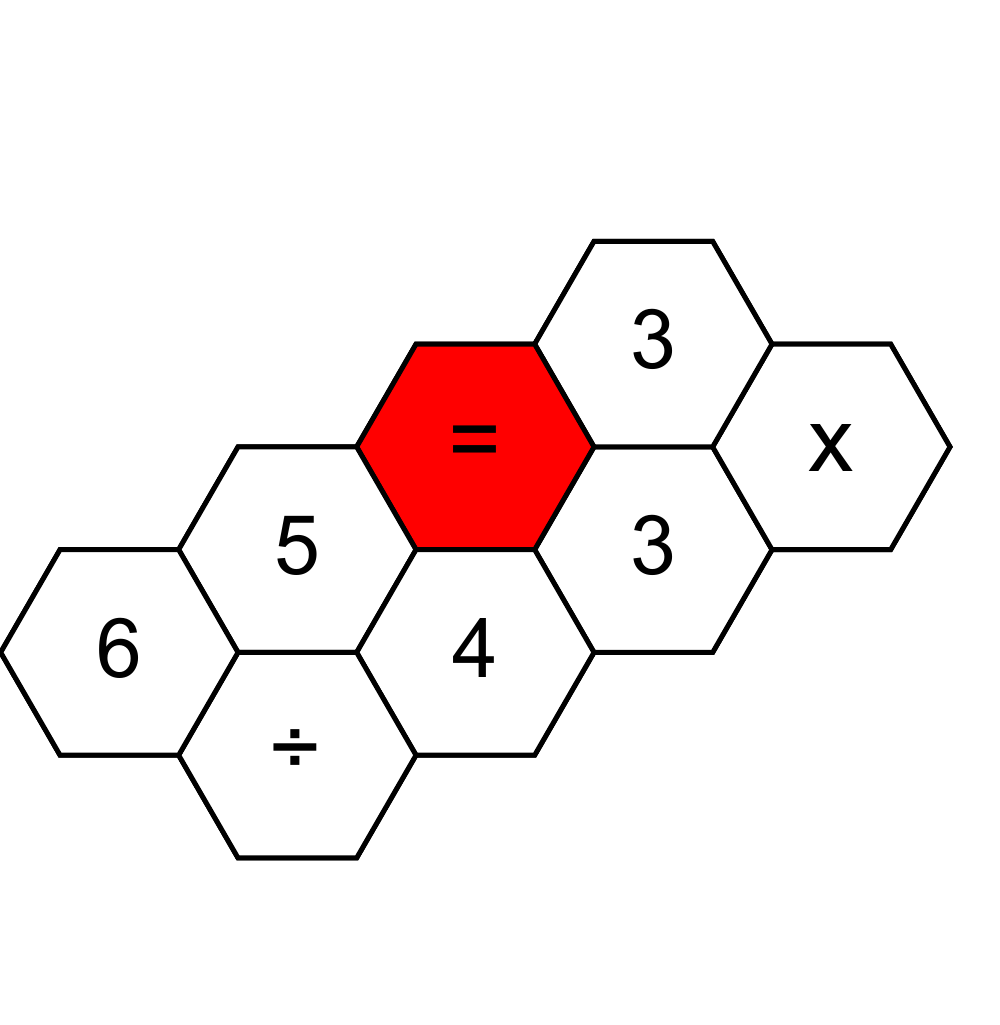
Hexa-Trex in the February Issue of the Games Magazine
Submitted by bogusia on Tue, 12/16/2008 - 16:46.Once again, the Hexa-Trex puzzles got published in the Games Magazine - the the February 2009 issue (out now in your local magazine store). They're on page 40 of the magazine in the pencil-wise section. Have fun!
If you want to try some online, I post a Hexa-Trex puzzle everyday. Also you can purchase a book full of these puzzles from the Nucleus Learning Store or on Amazon.com.
Understanding Projectile Motion - misconceptions
Submitted by bogusia on Mon, 12/15/2008 - 20:41.
I am reading an awesome book on Cognitive Sciences and how it applies to teaching students in the classroom: Schools for Thought - a Science of Learning in the Classroom by John Bruer. I will write more on this book later, but I wanted to focus on an idea I got from it to teach in the classroom. One chapter of the book relates to teaching science, and specifically, teaching Newtonian Physics... exactly what I'm teaching right now to my grade 11 physics class.
Anyway, the author emphasizes the importance of understanding the concepts, and demonstrates that students, when coming into a physics class, have sporadic knowledge of physics, and that some of their knowledge is scientifically accurate, but other intuitive knowledge is false, and has to be adjusted with a type of "aha moment" - usually a demonstration or experiment that blows away their arguments / their intuitive beliefs completely.
Good Sites for Projectile Motion Explanation
Submitted by bogusia on Fri, 12/05/2008 - 20:37.Next class I'll be teaching about projectile motion. Here are some good flash/media simulations off the web to explain that the horizontal and vertical motions are independent.
Joshua Klein on the intelligence of crows
Submitted by bogusia on Fri, 12/05/2008 - 15:29.What an interesting talk and concept!
What is the purpose of homework?
Submitted by bogusia on Sun, 11/30/2008 - 05:02.What is the purpose of homework? Why do so many kids suffer from homework anxiety? Why do we teachers assign so much homework?
Last year, one of my favorite students' father wrote all the teachers a note through our online communication system. The note went something like this (all in capital letters):
A Great Online Teaching Program - Facile Learning
Submitted by bogusia on Wed, 11/19/2008 - 16:09.In the school I teach, we use this online computer program for students doing sciences called: Facile Learning.
Draw a Person Test (DAP) - a great way to tell a kid's intelligence
Submitted by bogusia on Fri, 11/07/2008 - 19:12.Recently I went to the doctor for my son's yearly check-up. Our doctor is fantastic, and I am so lucky that I was fortunate enough to get him. Everytime we go, I learn something very interesting, this time was no exception.
The Doctor started asking standard medical questions: Was Jakub seriously ill this past year? Any ear infections? etc. Then he turned to his mental, social and physical development. And he asked me:
"Does Jakub know how to draw a person?"
Building Houses of Straw, Sticks and Bricks - The Three Little Pigs
Submitted by bogusia on Fri, 11/07/2008 - 16:22.Keeping with the theme of building, my last workshop for the younger elementary students was about building structures of different materials. I first read the kids the classic tale of the Three Little Pigs. After that we discussed the different materials that were used to build the three houses. I asked for the kids to hypothesise wether the story is correct.
Competition - is it a good tool to motivate kids?
Submitted by bogusia on Thu, 10/30/2008 - 18:29.
I always thought that competition is an excellent way to motivate kids. Many times, I made contests in the class, competitions, etc. I always found it that extra bit more fun when I was a student, if I had to compete against some other students. That's probably why I really like games.
Dealing With Frustration - The Spaghetti and Marshmallow Towers
Submitted by bogusia on Tue, 10/21/2008 - 18:55.The key to success is never to give up!
Yesterday I gave a science workshop to my younger group of kids: 6 - 9 year olds. I am typically a high school teacher, but this school year I am trying a different thing: workshops for homeschooled kids. And yesterday was one of those workshops.